
In the competitive logistics sector, particularly within The Bronx's urban environment, trucking company liability is a critical aspect of rideshare safety litigation. Dense traffic and complex road networks demand strict adherence to regulations on vehicle maintenance, driver training, and incident management. Effective risk mitigation strategies like regular safety audits and robust insurance coverage are essential to protect against liabilities and ensure public safety. With the rise of ride-hailing apps, ensuring accountability for drivers' actions during work hours has become vital. Comprehensive insurance coverage is crucial for trucking businesses to safeguard against financial losses from accidents, injuries, and legal claims, enhancing trust with customers and drivers. High-profile accidents in The Bronx have prompted stricter regulations and enhanced monitoring, with public debates driving legislative changes to improve driver screening and working hour policies. Integrating advanced technologies and adopting stringent protocols can transform the industry, ensuring community safety and mitigating rideshare safety litigation risks.
In the dynamic landscape of The Bronx’s trucking industry, understanding liability is paramount. This article delves into the intricate web of trucking company liability, focusing on rideshare safety in light of litigation and regulatory trends. We explore the crucial role insurance plays in safeguarding trucking businesses, analyze notable case studies of accidents, and highlight strategies to enhance safety measures for a more secure future. By examining these aspects, we aim to illuminate the path towards improved safety for both drivers and the community.
- Understanding Trucking Company Liability in The Bronx
- Rideshare Safety: A Focus on Litigation and Regulations
- The Role of Insurance in Protecting Trucking Companies
- Case Studies: Notable Trucking Accidents and Their Impact
- Enhancing Safety Measures for The Bronx's Trucking Industry
Understanding Trucking Company Liability in The Bronx

In the dynamic landscape of logistics and transportation, understanding trucking company liability is paramount, especially in densely populated areas like The Bronx. Rideshare safety litigation has brought into sharp focus the legal responsibilities of trucking companies, particularly concerning passenger and public safety. With a high volume of commercial vehicles on the roads, ensuring proper training, maintenance, and safety protocols for drivers becomes crucial.
The Bronx’s bustling streets and intricate network of highways demand vigilant management of trucking operations. Companies operating within this metropolitan area must adhere to stringent regulations governing vehicle inspection, driver hours of service, and incident response procedures. Effective risk management strategies, including regular safety audits and comprehensive insurance coverage, are essential tools in mitigating potential liabilities and fostering a culture of rideshare safety.
Rideshare Safety: A Focus on Litigation and Regulations

In recent years, rideshare safety has become a significant concern in the trucking industry, particularly with the rise of popular ride-hailing apps. As more people rely on these services for transportation, holding trucking companies accountable for their drivers’ actions during work hours is increasingly important. Rideshare safety litigation aims to ensure that both drivers and passengers are protected from potential hazards and risks associated with commercial vehicle operations. This focus on legal accountability plays a crucial role in upholding public trust and enhancing road safety standards.
Litigation in this domain often involves complex cases where plaintiffs seek compensation for injuries or property damage caused by negligent rideshare drivers. Regulations, too, are being tightened to include stricter background checks, safety training, and monitoring systems for truckers and drivers of ride-sharing services. These measures reflect a broader effort to balance the convenience of on-demand transportation with the need for robust safety protocols, thereby reducing accidents and protecting users across The Bronx and beyond.
The Role of Insurance in Protecting Trucking Companies

In the dynamic landscape of trucking, where large vehicles navigate bustling Bronx streets and highways, insurance plays a pivotal role in protecting both companies and riders. With Rideshare Safety Litigation increasingly prevalent, comprehensive insurance coverage is essential for trucking businesses to mitigate risks associated with accidents, injuries, and legal claims. This safeguard is particularly critical given the high costs and far-reaching consequences of litigation involving commercial vehicles.
Trucking company liability insurance provides a safety net against financial ruin by covering medical expenses, property damage, and legal fees stemming from incidents involving their fleet. Adequate insurance not only ensures business continuity but also fosters trust with customers and drivers, knowing that both parties are protected in the event of unforeseen circumstances. In today’s cautious environment, where public awareness of rideshare safety is on the rise, having robust insurance can set trucking companies apart and enhance their reputation in the competitive market.
Case Studies: Notable Trucking Accidents and Their Impact

In recent years, several high-profile trucking accidents in The Bronx have brought attention to the critical issue of rideshare safety litigation. One notable case involved a collision between a passenger vehicle and a large truck, resulting in severe injuries and prompting an investigation into the driver’s training and the company’s oversight. This incident underscored the need for stricter regulations and better monitoring of trucking companies to ensure the safety of passengers and other road users.
Another significant accident highlighted the challenges posed by fatigued drivers. A ride-sharing truck, operating for extended hours without adequate rest, caused a multi-vehicle collision, leading to legal action against the company. This case study has prompted discussions on improving driver screening processes and implementing stricter policies regarding working hours to prevent similar tragedies. The impact of such accidents extends far beyond immediate injuries, sparking public debates and influencing legislative changes in rideshare safety litigation across the state.
Enhancing Safety Measures for The Bronx's Trucking Industry
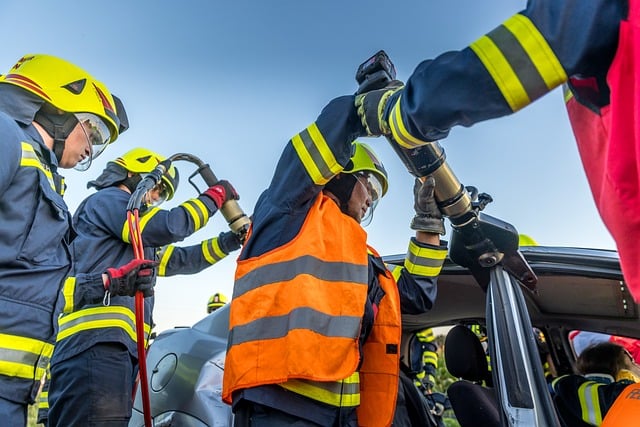
The bustling trucking industry in The Bronx, a vital component of the city’s logistics network, faces unique challenges when it comes to safety. With an increasing number of vehicles on the road and the ever-present risk of accidents, enhancing safety measures is paramount. One notable approach is the integration of advanced technologies such as collision avoidance systems and GPS tracking, which can significantly reduce risks and improve accountability. These measures not only ensure the well-being of drivers and passengers but also play a crucial role in mitigating legal complexities, especially in Rideshare Safety Litigation.
By adopting stringent safety protocols and regularly updating equipment, trucking companies in The Bronx can create a safer environment and potentially avoid costly litigation. Moreover, training programs focused on defensive driving and safety awareness can empower drivers to navigate the city’s complex roads with greater care. These proactive steps not only benefit the industry but also contribute to the overall safety of the community, fostering a more responsible and reliable trucking sector.
In conclusion, navigating trucking company liability in The Bronx requires a multifaceted approach. By understanding the legal landscape, focusing on stringent rideshare safety litigation and regulations, leveraging insurance as a protective measure, and learning from case studies of notable accidents, we can enhance safety measures for the industry. These strategies collectively contribute to fostering a safer environment for both truck drivers and the community in The Bronx.